-
-
Call for inquiry
-
B-21, Block-2, Gulshan-e-Iqbal
Karachi, Pakistan
Karachi, Pakistan

Introduction
As Pakistan faces increasing water scarcity, stricter environmental regulations, and rising operational costs, wastewater management has become a critical priority across multiple sectors. Industries are no longer treating wastewater management as just a compliance requirement. It is now a key part of sustainability, cost optimization, and responsible operations.
Packaged Sewage Treatment Plants (STPs) are emerging as a smart, efficient, and scalable solution. Their compact design, ease of installation, and high treatment efficiency make them ideal for a wide range of applications.
At Abamet Pakistan, we are enabling industries to adopt modern wastewater solutions that not only meet regulatory standards but also support water reuse and environmental protection.
What are Packaged STPs
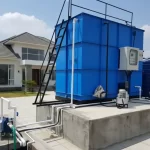
Packaged STPs are pre-engineered, compact wastewater treatment systems designed for quick installation and efficient operation. Unlike conventional treatment plants, these systems require less space, minimal civil work, and offer faster deployment.
They are particularly suitable for facilities where space, time, and operational simplicity are critical.
1. Hospitality and Hotels
Hotels and resorts generate significant volumes of wastewater from guest rooms, kitchens, laundries, and recreational facilities.
Packaged STPs help hotels:
Impact: Eco-friendly operations and reduced water costs
With increasing tourism in regions like northern Pakistan, sustainable wastewater management is essential for protecting natural ecosystems.
2. Food and Beverage Industry
The food and beverage sector produces wastewater rich in organic content, oils, and grease. Without proper treatment, this can lead to environmental pollution and operational challenges.
Packaged STPs enable this industry to:
Impact: Cleaner operations and improved regulatory compliance
3. Residential and Commercial Complexes
Urban developments such as housing societies, apartments, and commercial buildings face growing pressure to manage wastewater efficiently.
Packaged STPs offer:
Impact: Sustainable living without compromising space
4. Industrial Manufacturing Units
Industrial facilities generate complex wastewater that may include chemicals, oils, and process contaminants.
Packaged STPs provide:
Impact: Responsible manufacturing and reduced environmental risk
5. Educational Institutions and Hospitals
Institutions such as universities, schools, and hospitals produce continuous wastewater that must be treated safely to protect public health.
Packaged STPs help:
Impact: Healthier and environmentally responsible campuses
Why Packaged STPs are the Future
Across all these sectors, the advantages of packaged STPs are clear:
As Pakistan moves toward stricter environmental compliance and water conservation, packaged STPs are becoming an essential part of modern infrastructure.
Abamet’s Approach to Packaged STPs
At Abamet Pakistan, we design and deliver customized packaged STP solutions tailored to specific industry needs. Our systems focus on efficiency, reliability, and long-term sustainability.
We help clients:
Conclusion
Wastewater treatment is no longer optional. It is a strategic investment in sustainability, compliance, and operational efficiency.
From hotels and industries to residential and institutional sectors, packaged STPs are transforming how wastewater is managed in Pakistan.
By adopting the right technology and engineering approach, organizations can turn wastewater into a valuable resource and contribute to a cleaner, more sustainable future.
Smart solutions. Sustainable impact. Abamet is shaping the future of water management in Pakistan.