-
-
Call for inquiry
-
B-21, Block-2, Gulshan-e-Iqbal
Karachi, Pakistan
Karachi, Pakistan

Introduction
The northern areas of Pakistan, especially Hunza and Skardu, are among the most visited tourist destinations in the country, famous for dramatic mountain scenery, turquoise lakes, and rich cultural heritage. However, rapid tourism growth has brought environmental pressure that far exceeds local infrastructure capacity.
In recent years tourism numbers have surged, with regions like Gilgit Baltistan reporting hundreds of thousands of visitors annually and estimates suggesting as many as 2 million tourists visited the region in 2022, far exceeding the local population of around 1.7 million. This boom pushes hotels and resorts to expand quickly, often without proper environmental safeguards.
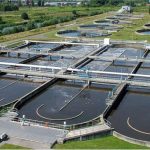
Among the most pressing concerns is wastewater management at tourism properties. The absence of adequate Sewage Treatment Plants (STPs) in many hotels and resorts is affecting water quality, public health, and fragile ecosystems. Proper STP infrastructure is essential for sustainable tourism and environmental protection.
Tourism Growth and Environmental Pressures in Hunza and Skardu
Unregulated hotel and resort construction has triggered environmental concern in northern Pakistan. Authorities have taken action to halt unplanned development. In mid-2025 the Gilgit-Baltistan Environmental Protection Agency recommended a five-year ban on new hotel construction and expansion around Attabad, Borit, and Duiker lakes due to deteriorating environmental conditions and inadequate wastewater systems.
Attabad Lake, formed after a 2010 landslide, has become a major tourism draw, attracting thousands of visitors every season. However, locals and environmental groups have warned that untreated sewage entering the lake is threatening its water quality and scenic beauty. Officials fined one hotel over Rs 1.5 million after a viral video showed sewage being discharged into the lake.
In other areas such as Skardu around Upper and Lower Kachura Lakes, similar issues have been raised about hotels lacking proper wastewater systems and contributing to ecological stress.
The lack of sewage infrastructure is a key factor behind water contamination, pollution of rivers and lakes, spread of waterborne diseases, and degradation of natural landscapes that attract tourists to these regions.
Environmental Impact on Lakes and Natural Ecosystems
Northern Pakistan’s lakes are not only scenic attractions but also delicate ecological systems that support aquatic life, bird habitats, and local water supplies. When untreated wastewater enters these bodies of water, the impacts multiply:
• Water pollution with bacteria and pathogens that can harm human and animal health.
• Sediment and nutrient loading that can cause degraded water quality.
• Disturbance to migratory bird habitats, particularly at Borit Lake, a protected area critical for bird species.
• Impairment of drinking water projects that rely on lake or river sources.
A community survey in Gilgit Baltistan found that 21 percent of respondents in Hunza cited water pollution as a negative impact of tourism activities.
Why Sewage Treatment Plants (STPs) Are Essential for Hotels and Resorts
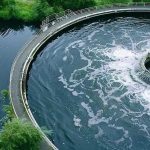
Sewage Treatment Plants treat wastewater before it is discharged or reused, preventing contamination of natural water resources. For hospitality properties in Hunza, Skardu, and surrounding areas, STPs help:
• Protect surface water quality and lake ecosystems
• Safeguard public health by eliminating pathogens
• Ensure compliance with environmental regulations
• Reduce pollution and avoid fines and legal action
• Enable safe reuse of treated water for landscaping and utility purposes
When hotels fail to treat sewage properly, it can lead to pollution entering rivers and lakes directly, contributing to environmental degradation, potential travel advisories, and long-term harm to tourism appeal.
Sustainable Tourism and Responsible Infrastructure
Tourism is a major economic driver for northern Pakistan, supporting jobs in hotels, restaurants, guides, transportation, and handicrafts. However, without proper infrastructure such as STPs, its negative impacts can outweigh the benefits.
Environmental agencies and tourism planners are advocating for:
• Mandatory installation of STPs in all new hotels and resorts
• Strict enforcement of environmental compliance and waste regulations
• Eco-friendly construction practices near ecologically sensitive areas
• Community-based tourism models that balance growth with ecosystem protection
Authorities’ bans on construction around lakes reflect the urgent need to strengthen environmental safeguards and ensure tourism growth does not come at the cost of long-term ecological damage.
Conclusion
The future of tourism in Pakistan’s northern areas lies in striking a balance between economic opportunity and environmental responsibility. Sewage Treatment Plants are essential infrastructure for hotels and resorts seeking to protect lakes, rivers, and mountain ecosystems.
Proper wastewater treatment helps preserve the natural beauty that draws visitors, safeguards public health, and supports sustainable livelihoods for local communities. By adopting robust sewage treatment solutions and responsible environmental planning, Pakistan can lead the way in sustainable mountain tourism that benefits people and the planet.